
Nutrition
Fibremaxxing: is the fibre trend worth following?
Fibremaxxing is the trend of packing every meal with fibre. A personal trainer explains what the UK guidance says, why most people fall short,
Fibremaxxing:is the fibre trend worth following?
Meta description: Fibremaxxing is the trend of packing every meal with fibre. A personal trainer explains what the UK guidance says, why most people fall short, and how to increase fibre without the bloating.
The short answer: yes, the idea behind fibremaxxing is sound, but most people don’t need to go to extremes. UK guidance is 30 grams of fibre a day for adults, and only about 4% of adults reach it. Getting to 30 grams from real food is a genuine upgrade for most people. Going far beyond it, or getting there overnight, mostly gets you bloating.
What is fibremaxxing?
Fibremaxxing is a social media trend where people try to get as much fibre as possible into every meal: chia seeds in everything, beans at breakfast, lentil pasta and fibre powders. It took off as people looked for something more useful than counting calories, and fibre had been overshadowed by the focus on protein for years.
Why does fibre matter?
Diets higher in fibre are linked to a lower risk of heart disease, stroke, type 2 diabetes and bowel cancer. Fibre also feeds the bacteria in your gut, keeps you regular and helps you feel full for longer, which makes it a useful tool if you are trying to lose fat while training.
What does 30 grams looklike?
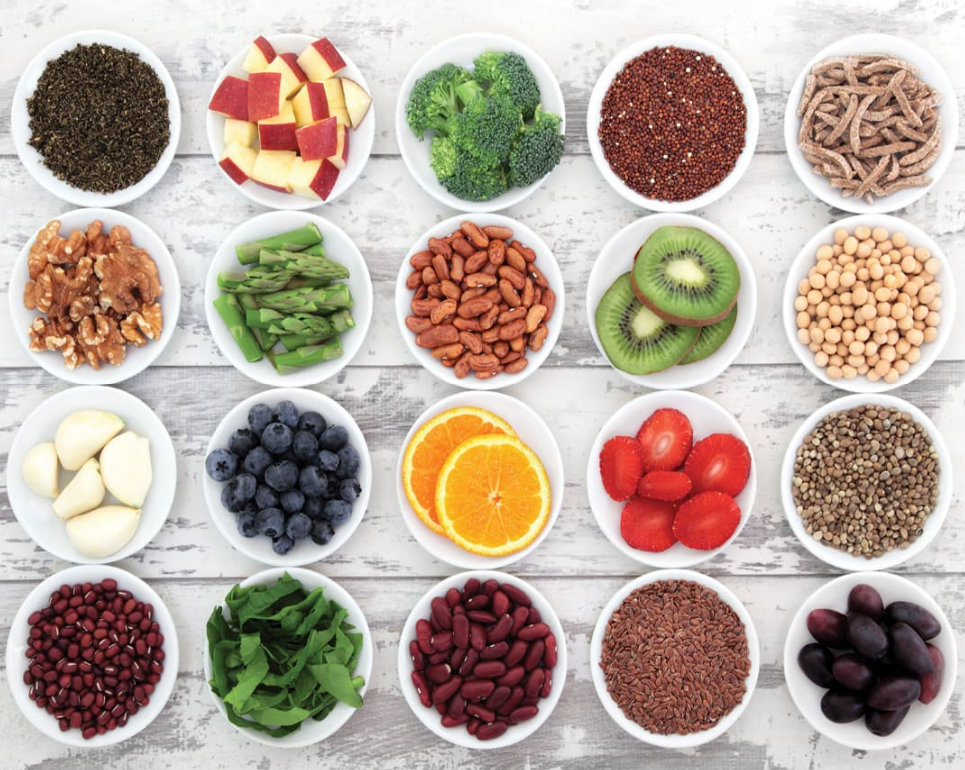
You don’t need special products. A day might look like this: porridge made with 40 grams of oats and a sliced pear for breakfast (about 9 grams), a wholemeal sandwich with a side of carrot sticks at lunch (about 8 grams), a handful of almonds as a snack (about 3 grams), and a chilli made with kidney beans and lentils, served with brown rice, for dinner (about 12 grams). That gets you to roughly 32 grams.
Why does fibremaxxing make so me people bloated?
Going from 15 grams a day to 40 overnight gives your gut no time to adjust. Increase slowly, by a few grams a day each week, drink more water as you go, and spread fibre across your meals rather than loading one. Mix your sources too: oats, beans, wholegrains, vegetables, fruit, nuts and seeds all contain different types of fibre.
Should you use fibre supplements?
Food first. Whole foods bring vitamins, minerals and other nutrients that powdersdon’t. If you have irritable bowel syndrome, inflammatory bowel disease or anydigestive condition, speak to your GP or a registered dietitian before making big changes.
How does this fit with training?
Avoid avery high fibre meal in the hour or two before a hard session, because it digests slowly and can cause discomfort. Keep your fibre heavy meals for other times of the day.
Want to coach this for aliving?
The V1BE Academy Active IQ Level 3 Personal Trainer course teaches you how to separate useful trends from noise and give clients clear, evidence based advice. Study online around your job, then start at a V1BE affiliated gym near you.