Workouts
Weighted vest walking: does the trend actually work?
A personal trainer looks at what the research says about bone health and calorie burn, how heavy to go, and who should be careful.
Weighted vest walking: does the trend actually work?
Meta description: Weighted vest walking is everywhere on social media. A personal trainer looks at what the research says about bone health and calorie burn, how heavy to go, and who should be careful.
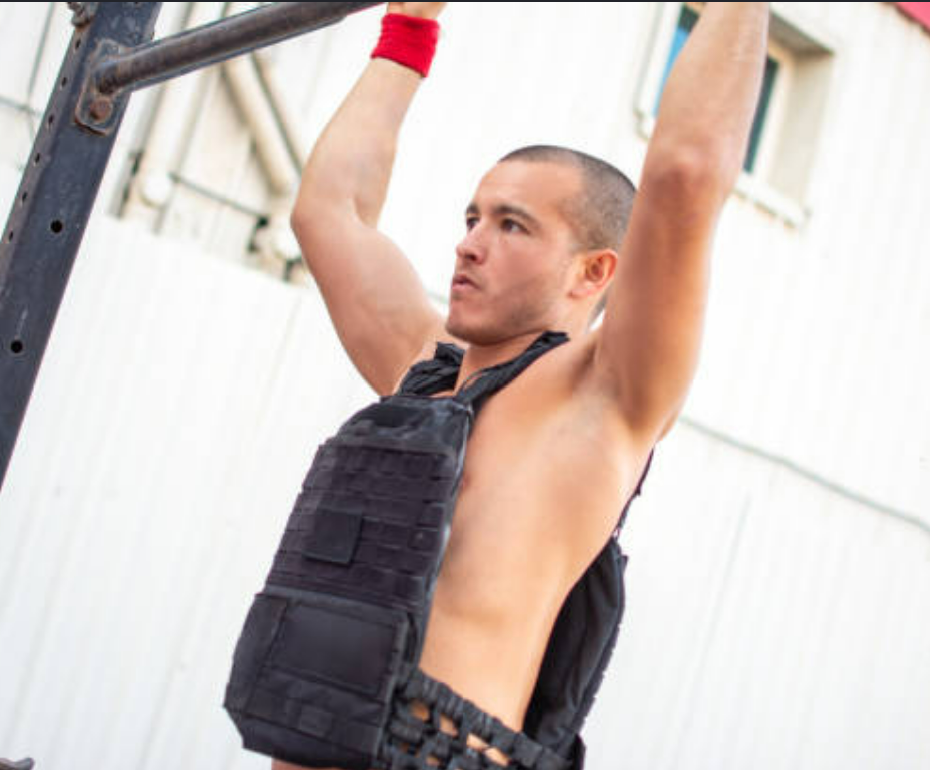
The short answer: walking in a weighted vest makes a walk harder, so you burn a few more calories and work your legs, back and core more. It can be a good way to make walking more challenging. But the evidence that it protects your bones is weaker than social media suggests,and it does not replace proper strength training. If you try it, start at about 5% of your body weight and build up slowly.
Why is everyone wearing weighted vests?
Weighted vest walking, and its cousin rucking (walking with a loaded backpack), took off on social media as a simple way to get more from a daily walk. It is popular with people who don’t enjoy the gym, and with women in midlife who are worried about bone health.
Does a weighted vest help your bones?
The research is mixed. Some small studies in post menopausal women found that exercise with a weighted vest helped maintain bone density at the hip. But alarger year long trial published in 2025, in older adults losing weight, found that wearing a vest did not prevent the hip bone loss that came with weight loss. The strongest evidence for bone health is still progressive strength training and impact exercise.
Does it help you burn more calories?
A little. Carrying extra weight means your body works harder, so you burn more energy per walk than without the vest. The difference is modest, and it won’t make up for your diet. Think of it as a way to make walking more of a workout, not a shortcut to fat loss.
How heavy should your vest be?
Start light, at around 5% of your body weight. For a 70 kg person that is about 3.5kg. Begin with short walks, and only add weight after 2 to 3 weeks of pain free use 2 or 3 times a week. Most people should stay at or below 10 to 15% of their body weight.
Who should be careful?
Speak to your GP, personal trainer or a physiotherapist first if you have back problems, disc issues, hip or knee arthritis, or osteoporosis, as extra load on the spine can make these worse. Choose a vest that fits snugly and spreads the weight evenly, and stop if you feel new pain, dizziness, breathlessness, or numbness or tingling.
The bottom line
A weighted vest is a useful extra for people who already walk regularly and want more challenge. For stronger muscles and bones, combine it with 2 or more strength sessions a week.
Want to coach this for a living?
Trends come and go. Knowing what the evidence says is what makes clients trust you. The V1BE Academy Active IQ Level 3 Personal Trainer course teaches you how to assess new ideas and build safe, effective programmes. Study online around your job, then start at an affiliated gym near you.